
Broccoli sprouts – Broccoli seeds being grown as a sprout in the small sprouting colander, full of organic nutrients from overnight and 6 daily 10 min. soak/drain, then stored in the fridge where they will continue to grow slowly for the next 2 weeks. See the process in slider below, click on picture for full-screen view then select the back icon in your browser to return to this page. (The slider has a full-screen icon, bottom right)
The secret to growing SUPER Charged Broccoli sprouts is to soak in bio-activated organic nutrients, initially overnight e.g. for 8 hours and then each day for 10-30mins, then rinse/drain for another three or four days, and in the last few days remove any husk or un-sprouted material, then secure the cover and place in the fridge where it will continue to grow for at least a week.
Note:-
Radish sprouts versus broccoli sprouts: A comparison of anti-cancer potential based on glucosinolate breakdown products.
The implication is that radish sprouts have potentially greater chemoprotective action against carcinogens than broccoli sprouts when hydrolysed under conditions similar to that during human consumption.
https://espace.library.uq.edu.au/view/UQ:316160
Also to note the Broccoli, Alfalfa, Fenugreek, Mung bean etc that we sell are tested in Au for the presence of pathogens such as Salmonella, E. coli etc.
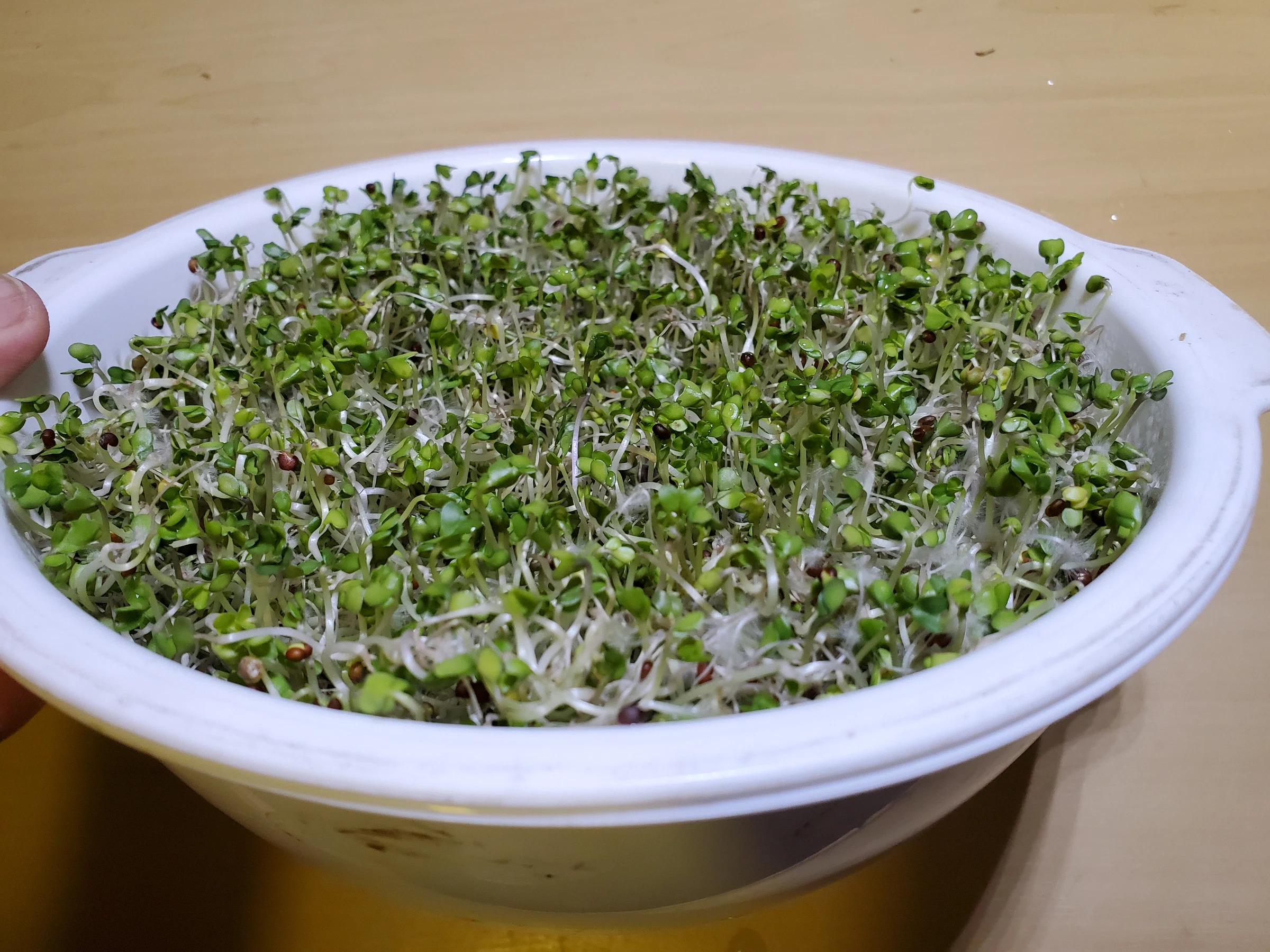
NB- small sprouts such as Alfalfa or Broccoli can form a tight mesh, which can lead to overheating and also makes it harder to get rid of un-sprouted material such as husk (the outer covering of the seed which is shed when the seed sprouts), so we suggest you mix these with a larger sprout, the best one we have found for this is Radish, this creates more air and space between the sprouts diminishing the chances of these problems occurring.


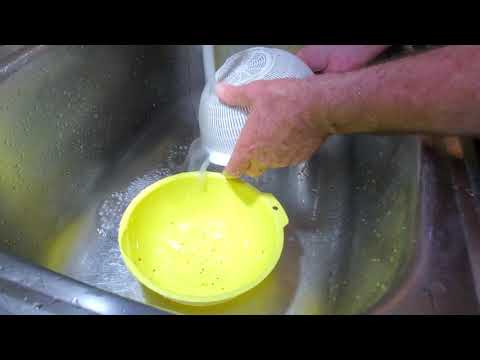


…Sprouting in a Small Sprouting Colander…
The advantages of our sprouting colanders:
1- The colanders come with their own drip bowl.
2- They have different drainage settings i.e. they can be set flat e.g. use for the 1st few days and then at an angle for even better drainage and aeration as the sprout mass becomes larger.
3- They also come with a flat perforated optional lid/cover
– ensures they do not dry out but still allowing good aeration
– allows for excellent storage conditions in your fridge, you can even stack several on top of each other. I use them with the lid on flat in a cool dark place for the 1st few days, I then place them in the light, again with the lid on but at an angle, ie as the sprouts become denser they need more air. For the last few days I either divide them into 2 separate colanders, there is a version available with large slots in the base that can be used at this stage to aid in husk removal, personally I combine several small colanders into one large colander for the final greening and de-husking process and then store the large colander in the fridge with the cover in place. This gives you an excellent cycling system whereby you immediately restart one of the smaller colanders.
4- Another difference with our sprouting technique is that we supply bio-activated organic nutrients which you soak the seeds and sprouts in once a day, what this means is that the nutritional content is many times greater than if you just rinse them each day in water, basically what is happening here is that the organic nutrients contain 99% of the major and micro trace elements (Azomite, Dolomite, Kelp, Humate-decomposed prehistoric plants etc), these are then fermented to make them more easily absorbed by the sprouts, which then present these minerals and trace elements in a bio-available form to you, truly giving you a super food. This also means that they will last longer in the fridge not to mention they taste better.


This is a longer video giving a complete overview of our sprouting systems and techniques. You will see how to use our small sprouting colander by itself and combined with the larger colander (which is what I use to grow 4L of sprouts per week). How they can be used to grow mung bean sprouts, and much more. Click to hide


…Sprouting Videos…
My favourite combinations are
– Broccoli, Radish, Alfalfa, Red Clover, Fenugreek Kale, e.g. preferred mix is 20ml of each. This gives you 1 full 4ltr colander of yummy tangy sprouts.
– And 1.5L colander of Pea(Massey Gem) sprouts..
– And 1.5L colander of red Lentils sprouts.
Sulforaphane is a powerful antioxidant with numerous benefits, including being anticancer, antimicrobial, and anti-inflammatory. Broccoli and broccoli sprouts contain the highest amounts of glucoraphanin, the precursor to sulforaphane, and eating them raw will give you the most benefit. But all of the cruciferous veggies bring health-boosting goodness. There are some supplements on the market that contain sulforaphane, and they may have benefits, too. But the most economical way to get it, as with most nutrients, is from your food. Incorporating broccoli and broccoli sprouts into a well-balanced, whole foods, plant-based diet will help to keep you on track to health.


Greetings! Very helpful advice in this particular post! It is the little changes that make the greatest changes. Thanks for sharing!
Thanks for the feedback, just getting started in our “How to” section much more to come soon.
Regards Ted from LivingApartment
Hi Ted.
Thats a really good video of explaining sprouting , great work , so I have got new alfalfa sprouts started ,thank you for sending
cheers Barb
Thank you for sharing this insightful article! I found the information really useful and thought-provoking. Your writing style is engaging, and it made the topic much easier to understand. Looking forward to reading more of your posts!